Get the Most from Your Next Move. Start with a casual chat to craft a plan unique to you. Book a Call
When you’re getting ready to sell a home, one question that comes up is whether you should pay for your own inspection before you list, or just let the buyer handle it. There’s a good case for both, so here’s the rundown to help you decide what’s right for your home.
Let’s start with the reasons it can work in your favor. Most of them come down to control. When you’re the one who knows what’s going on with the house, you get to make the calls instead of reacting to them.
It can save you money. If you find the issues yourself, you’ve got time to shop around and get a contractor at a fair price. Wait for the buyer’s inspector to find that same thing, and you’re usually stuck paying worst-case, or the buyer comes back asking for a credit or a price cut.
It takes leverage away from buyers. A surprise in the buyer’s inspection is the number one thing that blows up a price or kills a deal. If it’s already out there and priced in, they have nothing left to fight over.
It saves you a second round of showings. If a deal falls apart late over an inspection surprise, you’re back to square one, relisting and starting the showings over. And the longer a home sits on the market, the more buyers assume something must be wrong with it, even when the only problem was one deal that didn’t work out.
It lets you pick your battles. When you know everything upfront, you can price around the little stuff instead of feeling rushed to fix it all under a deadline.
Now for the other side, because a pre-inspection isn’t the right move for everyone. There are a few real downsides worth thinking through before you book one.
You have to disclose what you find. In Washington, once you know about a defect, you often have to disclose it, even if you decide not to fix it. So a pre-inspection can put you on the hook for disclosures you wouldn’t otherwise have had.
It costs you either way. A pre-inspection runs about $400 to $600 upfront, and you’re paying that whether the house ends up selling or not.
It can scare off a good offer. Some buyers, once they know a report exists, start zeroing in on stuff they would’ve walked right past, and that focus can cool them on a home they liked.
Some buyers will reinspect anyway. Especially in this cooling market with more inventory, a buyer with leverage might not take your report and just order their own. Now you’ve paid for something that didn’t actually stop the renegotiating.
It can invite nitpicking. Lay everything out and you sometimes hand buyers a list of small, even cosmetic things to pick at that they never would’ve noticed on their own.
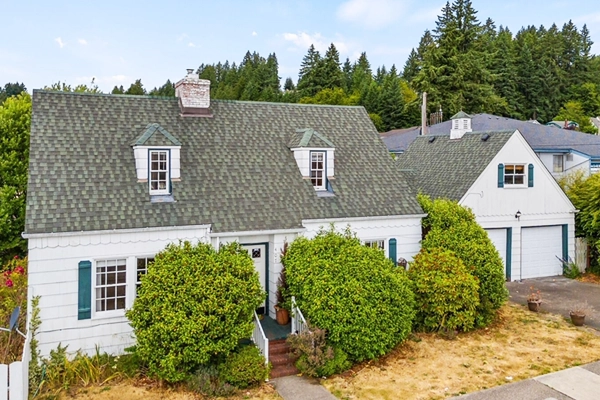
So how do you decide? Pre-inspections usually make the most sense on older homes, or ones with an unknown history, where surprises are more likely. On a newer or well-kept home, there’s less to gain, and the disclosure side can outweigh it.
If you’re trying to figure out what’s right for your place, I’m happy to talk it through. Call or text me at 360-868-8648, email me at jason@munozhomegroup.com, or reach out through munozhomegroup.com.
-
Get the Most from Your Next Move. Start with a casual chat to craft a plan unique to you. Book a Call
-
Free Home Valuation. Don’t trust a Zestimate. Get a personalized home valuation directly from an experienced real estate agent. Get Estimate
-
Free Real Estate Newsletter. Get our latest Q&A, insights, and market updates to make smarter decisions. Subscribe Now